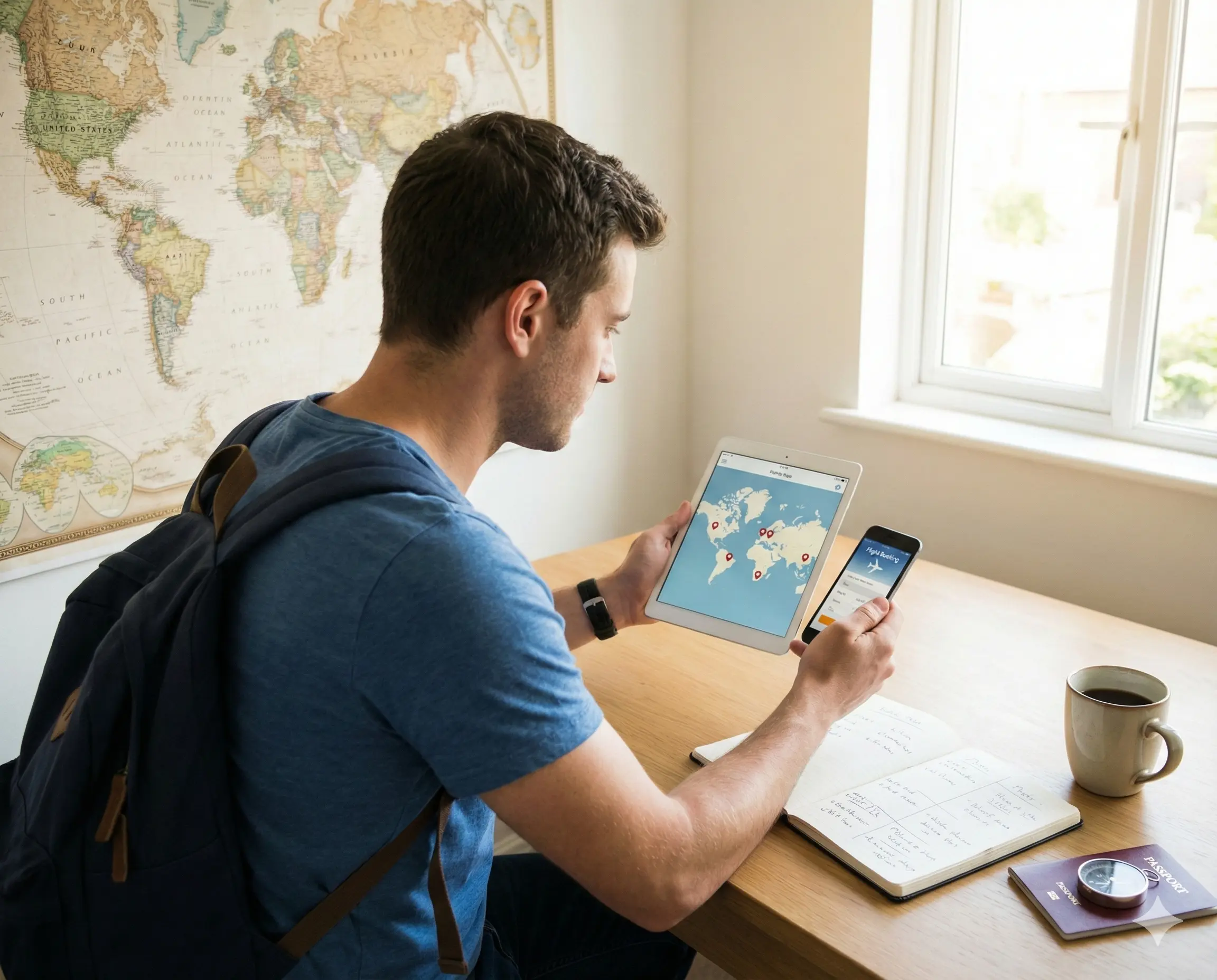
Best Student Travel Apps 2026 are the difference between a trip that goes smoothly and one where you’re paying double for flights or standing lost in a foreign city with no signal. The right apps fix both problems completely — and this guide covers exactly which ones are worth downloading before any student trip in 2026. This guide covers the best student travel apps 2026 has to offer across every category — cheap flights, budget tracking, navigation, safety, and language — so you can travel smarter without spending more than you need to.
Quick Summary of Best Student Travel Apps 2026
| App | Best For |
|---|---|
| Skyscanner | Finding cheap student flights |
| Hostelworld | Budget-friendly hostels worldwide |
| Splitwise | Splitting group expenses easily |
| Google Maps | Offline maps for navigation |
| bSafe | Travel safety and SOS alerts |
Why Students Need Travel Apps in 2026
Look — student travel in 2026 is more accessible than it’s ever been, but only if you actually know which tools to use. Without the right apps you end up overpaying for flights that were cheaper on a different platform, missing student discounts that were available the whole time, and burning through expensive roaming data in cities you don’t know. The best student travel apps 2026 offers help you find real student discounts before you leave home, navigate offline when your signal disappears, split group costs without anyone keeping a mental tally, pick up enough local language to make a real difference, and get safety alerts when something changes in a place you’re headed.
Best Flight Booking Apps for Students
| App | Why Students Love It |
|---|---|
| Skyscanner | Finds cheapest flights with flexible dates |
| StudentUniverse | Exclusive flight discounts for students |
| Hopper | Predicts the best time to book tickets |
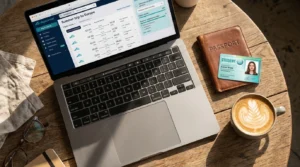
Skyscanner’s whole month view is the most useful feature for student travelers — instead of checking dates one by one, the cheapest day across an entire month is visible instantly. Hopper’s price prediction feature is consistently accurate for international routes — the general recommendation from experienced budget travelers is six to eight weeks out as the sweet spot for price and availability combined. Six to eight weeks out is generally the sweet spot for price and availability combined.
StudentUniverse requires a one-time student verification through your university email or ISIC card — worth completing before booking any international flight. Verified student fares on transatlantic and transpacific routes can run $50–150 cheaper than the same flight on standard booking platforms. The verification takes under ten minutes and applies permanently to your account.
Best Student Travel Apps 2026: Budget and Expense Tracking

Splitwise fixes the most consistently annoying part of group travel — nobody has to remember who paid for dinner three days ago. Log expenses as they happen, Splitwise handles the rest. No spreadsheets, no awkward conversations, no quiet resentment building up over who paid more.
Revolut is worth setting up before any international trip — decent exchange rates, low-cost transfers, and a travel card that doesn’t add hidden fees every time you spend in a different currency. Trail Wallet keeps daily budget tracking simple — set a limit, log what you spend, know immediately whether you’re on track. For more budget strategies that work alongside these apps, our Travel Tips Guide covers the full picture.
Revolut works best when set up at least a week before departure — the card ships by post and takes a few days to arrive. The free tier covers most student travel needs including fee-free spending abroad up to a monthly limit. Trail Wallet’s simplicity is its strength — no syncing, no accounts, just a daily limit and a running total. Students who track expenses in real time consistently spend less than those who try to reconstruct spending at the end of each day.
Navigation and Transport Apps
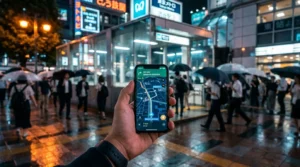
Google Maps offline is non-negotiable — download the city map before you leave somewhere with Wi-Fi and it works completely without data including turn-by-turn navigation. Rome2Rio is genuinely underrated — enter any two points anywhere in the world and it shows every possible route with prices and journey times. Moovit handles local buses, trains, and metro systems better than most alternatives. For more transport tips, check our Cheap Student Flights to USA 2026 guide.
The key habit with Google Maps offline is downloading before you need it, not when you’re already somewhere with no signal. Download the entire city map on hotel or hostel Wi-Fi the night before you explore. Rome2Rio’s bus and ferry combinations for multi-country European trips regularly surface routes that are a third of the price of trains — worth checking before assuming the train is the only option.
Language and Culture Apps
Duolingo for real basics before you arrive — even two or three weeks of the local language changes how people respond to you on the ground. Google Translate for real-time help — the camera feature that translates menus and signs instantly is more useful than most people expect. Culture Trip for local food spots and cultural context that standard tourist guides don’t bother with.
Even basic Duolingo progress — hello, thank you, excuse me, where is, how much — produces a measurable difference in how locals respond to student travelers. Most people respond more warmly to someone making the effort in their language than to someone defaulting immediately to English. Google Translate’s instant camera translation feature is genuinely transformative for menus, street signs, and transport schedules in non-Latin script countries like Japan, South Korea, or anywhere in the Arab world.
Best Student Travel Apps 2026: Safety and Emergency
Sitata sends travel and health alerts for wherever you’re headed — useful for solo travelers especially. bSafe has an SOS button that sends your live location to trusted contacts in an emergency — set this up before you leave home, not when you wish you had it. First Aid by Red Cross works completely offline and covers real emergency situations clearly.

The most important thing about bSafe is setting up your trusted contacts before departure, not when you’re already somewhere and wish you had. The SOS feature sends live location to everyone on your list simultaneously — one tap in an emergency. Sitata’s alerts cover health outbreaks, natural disasters, civil unrest, and transport disruptions — the kind of information that takes time to reach mainstream news but matters immediately for travelers on the ground. For more solo travel safety tips, check our Solo Travel Tips 2026 Guide.
All-in-One Travel Apps
TripIt organizes all your bookings automatically — forward confirmation emails and it builds a complete itinerary without any manual work. Kayak for comparing flights, hotels, and car rentals in one search. Google Travel syncs with your Gmail bookings automatically and keeps everything in one place.
How to Choose the Right Travel Apps as a Student
Not every app works for every type of traveler. Before downloading everything on this list, think about what your trip actually needs. Solo traveler? Prioritize safety apps like bSafe and Sitata first. Traveling in a group? Splitwise and Revolut are non-negotiable. Long trip with multiple countries? TripIt and Rome2Rio will save you hours of planning. Budget backpacker? Skyscanner, Hostelworld, and Trail Wallet are your core three. Start with what your specific trip needs rather than downloading twenty apps and using none of them properly.
Expert Tips for Using the Best Student Travel Apps 2026
Download offline versions of every app before you leave — not when you need them and discover you have no signal. Search for student discount codes before booking anything. Keep at least one safety app active if you’re traveling solo. Read recent reviews before booking accommodation — last month’s feedback tells you more than an overall score built up over years. For more practical travel advice, check our Travel Tips Guide.
FAQs About Best Student Travel Apps 2026
Q1: Which app is best for students on a budget?
Skyscanner for flights and Hostelworld for accommodation — those two cover the biggest travel expenses with genuine student-friendly options.
Q2: How do I split travel costs with friends?
Splitwise — log every expense as you go and it calculates who owes what automatically.
Q3: Do students really get discounts on apps?
Yes — StudentUniverse and the ISIC Travel App both offer verified student deals worth using for international travel especially.
Q4: Which app is the best student travel app 2026 for solo travelers?
bSafe for safety and Google Maps offline for navigation — both non-negotiable when traveling alone.
Q5: Can I use these apps offline?
Yes — Google Maps, Duolingo, and Red Cross First Aid all work fully offline once downloaded.
Q6: Are these travel apps free for students?
Most apps on this list have free tiers that cover everything a student traveler needs. Skyscanner, Google Maps, Duolingo, Splitwise, bSafe, and Rome2Rio are all completely free. Revolut and Hopper have optional paid upgrades but the free versions handle the majority of student travel use cases without any cost.
Q7: Which travel apps work without internet connection?
Google Maps, Duolingo, and Red Cross First Aid all work fully offline once downloaded on Wi-Fi. Rome2Rio and Splitwise require internet for full functionality but core features work with minimal data. Download everything you need before leaving areas with reliable Wi-Fi.

Awamar Chheena is the founder of Travel Tips for Students. He writes practical guides to help students find travel deals, student discounts, and budget-friendly tips. His goal is to make travel more affordable for students around the world.