
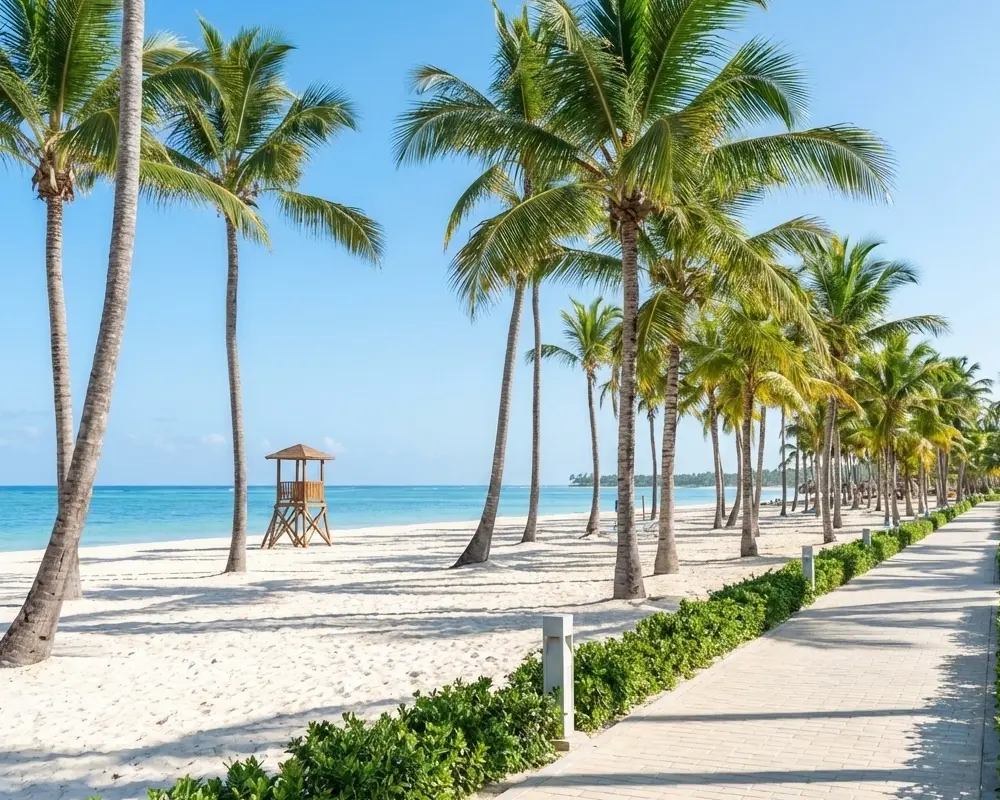
Looking for travel safety tips for the Dominican Republic before your 2026 trip? You are in the right place — the DR keeps showing up on student spring break lists for good reason — affordable all-inclusives, warm weather, and beaches that actually look like the photos. But every year students arrive without doing basic safety research, and some of those trips go sideways in completely avoidable ways. This guide covers the real travel safety tips for Dominican Republic that students need in 2026 — not generic tourist advice, but practical information based on what actually happens and how to handle it. By the end you will know exactly how to enjoy the DR without making the mistakes that ruin trips.
Is the Dominican Republic Safe for Students in 2026?
Yes — with the right approach. The DR receives millions of tourists every year and the vast majority have completely problem-free experiences. Resort areas like Punta Cana and Bavaro are specifically built around tourist safety with private security, CESTUR tourist police presence, and established infrastructure. Problems tend to happen when students leave resort areas without preparation, use unofficial transport, or ignore basic situational awareness.
The US State Department currently lists the Dominican Republic at Level 2 — Exercise Increased Caution. That is a standard advisory for a large number of popular destinations worldwide, not a travel ban. You can verify the current advisory status directly on the US State Department travel advisory page before your trip.
Understanding what Level 2 actually means matters — it is a caution notice, not a warning to avoid travel. Students who research properly and follow sensible habits have great trips here consistently. These travel safety tips for the Dominican Republic apply whether you are visiting Punta Cana, La Romana, or Santo Domingo.
Top Travel Safety Tips for Dominican Republic Students
1. Stay in Tourist-Designated Areas
Resort zones in Punta Cana, La Romana, and Puerto Plata are significantly safer than urban areas. This is not about being overly cautious — it is about understanding where tourist infrastructure and security are concentrated. Santo Domingo is worth visiting but requires more active awareness, particularly after dark and away from the Zona Colonial.
Across dozens of DR travel forums, student trip reports, and safety advisories, the pattern is consistent — students who stay in designated tourist areas and use organized transport have dramatically fewer problems than those who venture independently without preparation.
2. Use Official and Hotel-Organized Transport Only
This is the single most important safety tip for the Dominican Republic. Unofficial taxis are consistently flagged in safety reports as the highest-risk situation for tourists. Always use:
- Hotel or resort-arranged transport
- Uber — available in Santo Domingo and Punta Cana
- CESTUR-verified tour operators
- Airport official taxi counters — not drivers who approach you in arrivals
Never accept rides from people who approach you unsolicited, regardless of how legitimate they seem.
3. Food and Water Safety
Tap water in the Dominican Republic is not safe to drink — this is non-negotiable. Stick to sealed bottled water for drinking and brushing teeth. Most resorts provide unlimited bottled water which covers this automatically.
For food, all-inclusive resorts handle food safety well. Eating outside the resort is generally fine at established restaurants — street food carries more risk, particularly for students who are not used to adjusting to different food environments. If you do eat outside, busy local spots with high turnover are safer than quiet ones.
4. Beach Safety
Beach flag conditions matter and students consistently ignore them. Check the flag system every morning before going near the water:
- Green — safe conditions
- Yellow — caution, moderate conditions
- Red — dangerous, do not enter water
- Purple — dangerous marine life present

Only swim at beaches with active lifeguard presence. The DR has strong rip currents at certain beaches — this is a genuine drowning risk, not a minor inconvenience. For broader water safety habits worth building before any beach destination, Building this habit at every beach destination — not just the DR — is one of the simplest ways to avoid a serious incident
5. Protect Your Valuables
Leave your passport in the hotel safe and carry a photocopy instead — this is sufficient for identification at most venues and means you are not carrying an irreplaceable document to the beach. Same applies to extra cash and cards. Take only what you need for the day.
At the beach specifically — valuables go in the room safe before you leave, not in a beach bag. Beach theft is the most common tourist crime in the DR and it is almost entirely preventable with this one habit. For a complete packing checklist that covers what to bring and what to leave home, the student travel packing guide has everything broken down.

6. Drink Safety
Accepting drinks from strangers is consistently listed as one of the top safety risks for tourists in the DR. This applies at resort bars, beach clubs, and nightlife venues equally. Watch your drink being prepared and never leave it unattended. This is not paranoia — it is a basic habit that removes a genuine risk entirely.
7. Health Precautions Before You Go
Visit a travel health clinic at least 4 to 6 weeks before departure — not the week before. Recommended precautions for the DR typically include hepatitis A and typhoid vaccinations, malaria prevention depending on your specific itinerary, and mosquito repellent with DEET for areas outside resort zones. For current vaccination recommendations specific to the Dominican Republic, check the CDC Travelers Health page for the DR well before your trip.
Bring medications from home — familiar brands and dosages you already know rather than trying to figure out local pharmacy equivalents when you are already feeling unwell in an unfamiliar country.
Solo Travel Safety in the Dominican Republic
Solo travel in the DR is manageable but rewards advance planning more than group travel does. Stay in social hostels or resort areas where you are naturally around other people. Use hotel-organized excursions rather than arranging independent transport as a first-time visitor — the cost savings rarely justify the added complexity when you are alone.
Share your daily plans with someone at home — actual specific plans, not just your general itinerary. When something feels off about a person or situation, act on that instinct without waiting for certainty. When you are alone there is nobody else to check with and hesitation costs you.
Travel Insurance for the Dominican Republic
Travel insurance is non-optional for the Dominican Republic — not a recommendation, a requirement. Weather-related cancellations during hurricane season (June through November) happen regularly. Medical facilities outside major tourist areas vary significantly in quality, and evacuation coverage matters here more than in many other Caribbean destinations.
Good DR coverage must include:
- Medical emergencies and hospitalization
- Medical evacuation
- Trip cancellation for weather events
- Lost or stolen belongings and documents
Do not travel to the DR without it. The cost of one medical evacuation without coverage would dwarf the cost of a year of travel insurance.
Day-by-Day Safety Habits That Actually Work
Morning
Check beach flag conditions before leaving your room. Note your room number and resort name in your phone. Confirm transport for any excursions planned that day.
During the day
valuables in the room safe before heading to the beach. Hydrate consistently. Sunscreen reapplied every two hours. If leaving the resort, confirm transport in advance.
Evening
stick to well-lit areas. Use Uber or hotel transport, not taxis parked outside. Let someone know your plans before heading out independently.
These habits take no effort once they become routine and they eliminate the vast majority of situations that turn DR trips into bad experiences.
Emergency Contacts — Dominican Republic
Save these offline before arrival — in your phone and written down somewhere that does not require internet:

- National Police / Ambulance / Fire: 911
- Tourist Police (CESTUR): +1 809 200 3500
- US Embassy Santo Domingo: (809) 567-7775
- Canadian Embassy: (809) 685-1136
- UK Embassy: (809) 472-7111
Budget Tips for Safe DR Travel
All-inclusive packages are genuinely the safest and most cost-effective option for first-time student visitors.
They eliminate transport decisions, food safety concerns,and accommodation research in one booking.
Compare packages on Student Universe or STA Travel for student-specific pricing. Book flights separately on
Google Flights — DR package deals often inflate the flight portion significantly.
Budget range for a 5-day DR all-inclusive trip from the US East Coast: $600–$900 per person including flights,
depending on season and departure city.
Frequently Asked Questions — Travel Safety Tips Dominican Republic
Is it safe to visit the Dominican Republic in 2026? Yes — especially in resort areas with basic precautions followed. Millions of tourists visit annually with problem-free experiences.
Is Punta Cana safer than Santo Domingo? Generally yes. Punta Cana is purpose-built for tourism with concentrated security. Santo Domingo requires more active awareness, particularly after dark.
Do you need travel insurance for the Dominican Republic? Absolutely — medical costs, hurricane season risks, and evacuation coverage make it non-optional.
Is it safe to drink tap water in the Dominican Republic? No — always use sealed bottled water for drinking and brushing teeth.
What are the biggest safety mistakes students make in the DR? Using unofficial taxis, accepting drinks from strangers, leaving valuables unattended at the beach, ignoring beach flag conditions, and not getting travel insurance.
What should I do if I am robbed in the Dominican Republic? Contact CESTUR immediately at +1 809 200 3500. If your passport is stolen, contact your embassy. Contact your travel insurance provider straight away and keep copies of everything.
Is the Dominican Republic safe for solo student travelers? Yes with preparation — resort areas work well for solo travelers, organized excursions are safer than independent arrangements, and keeping someone updated on your plans is genuinely important.
Final Thoughts
The Dominican Republic is a genuinely great student destination — affordable, warm, and full of things worth experiencing. The students who have the best trips are not the ones who avoided every risk, they are the ones who prepared properly and built consistent habits. Follow the travel safety tips for Dominican Republic in this guide and you will almost certainly be part of the majority who leave with nothing but good memories.
For more destination-specific safety guidance, our travel safety tips guide covers everything worth knowing before any international student trip.

Awamar Chheena is the founder of Travel Tips for Students. He writes practical guides to help students find travel deals, student discounts, and budget-friendly tips. His goal is to make travel more affordable for students around the world.