
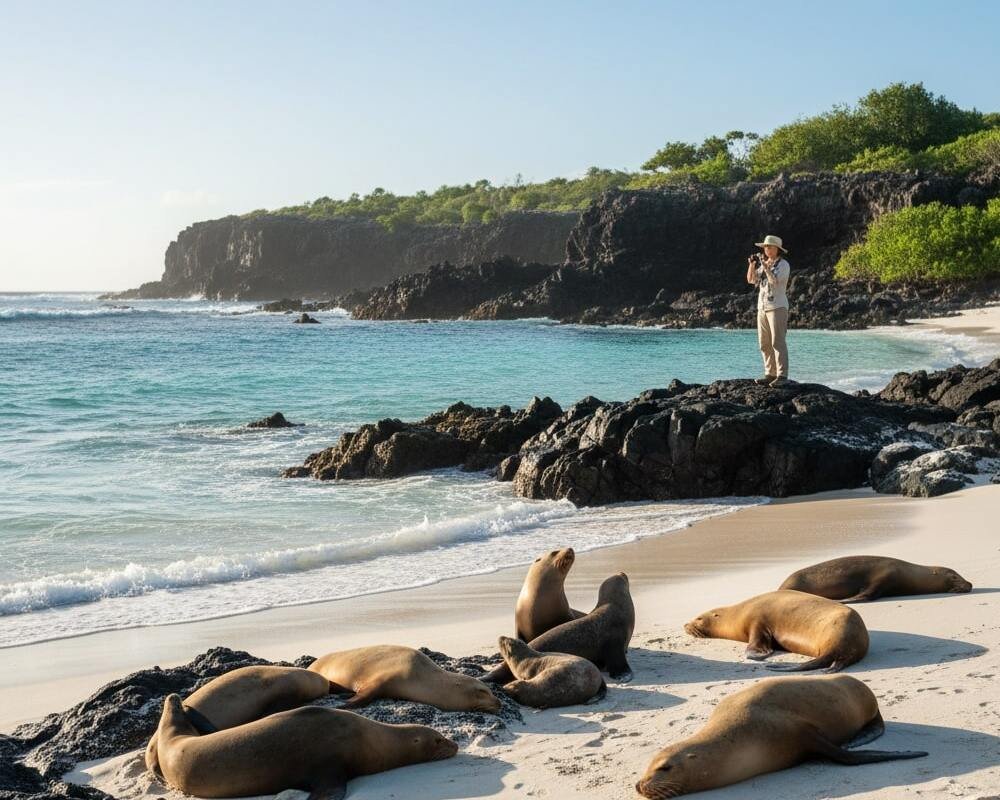
Ecuador and the Galapagos Islands offer two completely different travel experiences within one trip — Andean highlands, Amazon rainforest, colonial cities, and one of the most protected wildlife ecosystems on earth.
Most travel guides cover the basics. This guide covers what actually matters on the ground — how local transport works, what the Galapagos conservation rules mean in practice, where to eat like a local, and how to avoid the mistakes that catch most first-time visitors off guard.
Travelers planning broader South American trips should also check our student trips to South America guide for regional budgeting and planning tips.
Why the Galapagos and Ecuador Are Not Like Tenerife
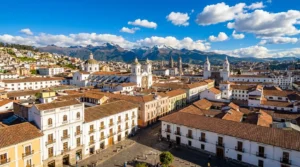
Ecuador is a small country with extraordinary diversity. A single trip can cover Andean highlands above 9,000 feet, Amazon jungle lodges, colonial cities like Cuenca, and the Galapagos Islands — one of the most restricted ecosystems on earth.
The Galapagos specifically is not a destination where you make it up as you go. Visitor numbers are capped, wildlife interaction rules are strictly enforced, and some sites require licensed naturalist guides. Understanding this before you arrive changes how you plan everything.
Entry Requirements, Money, and Connection
Mainland Ecuador: Passport valid for 6+ months. Visa-free entry for US, UK, EU, Canadian, and Australian passport holders for up to 90 days.
Galapagos specific: A Transit Control Card (INGALA card) is required and must be completed before your flight. A National Park entrance fee is payable in cash on arrival — have small bills ready. Full requirements at INGALA official site.
Money Tips
| Item | Local Reality |
|---|---|
| Currency | US Dollar |
| ATMs | Omnipresent in the mainland |
| Cards | Admitted in towns, restricted on islands |
| Cash | Minor cash bills (1–10) are necessary |
Ecuador uses US dollars — no currency exchange needed for American travelers. ATMs are widely available on the mainland but limited on Galapagos islands.
Cards work in most mainland towns and restaurants. On the islands, cash is essential — many fees, permits, and smaller vendors do not accept cards. Bring small denomination bills — torn or heavily marked notes are frequently refused.
Internet & SIM Cards
-
Claro and Movistar are reliable and stable
-
eSIM is effective in urban areas, not so much on the islands
-
Galapagos towns have slow Wi-Fi, which is getting faster
Local Transport Advice (Mainland and Islands)
Mainland Ecuador
-
Intercity buses: Inexpensive, commonplace, surprisingly comfortable
-
Domestic flights: Ideal when there is a long distance (Quito–Guayaquil)
-
Uber & Cabify: Reliable in big cities
Galapagos Transportation
-
Speedboats are used to get to islands (2–3 hours, usually in rough seas)
-
Towns have water taxis in operation
-
There are no car-sharing applications; everything is controlled
Trick of the trade: When in speedboats, sit facing the rear to minimize sickness.
Where to Stay Like a Local
Mainland
-
Historic center luxury hotels (boutique hotels in Cuenca)
-
Amazon eco-lodges and Baños
-
Hostels are communal and overall properly controlled
Galapagos
| Option | Best For |
|---|---|
| Small guesthouses | Affordability and authenticity |
| Small hotels | Comfort without cruise |
| Liveaboard diving | Complete nature experience |
Local knowledge: It can be more flexible to remain on land and use day tours, which can be cheaper than a cruise.
Etiquette of Food, Markets, and Dining
Must-Try Dishes
-
Locro de papa (potato soup)
-
Encebollado (seafood soup)
-
Hornado (roast pork)
-
Ceviche (varies by region)
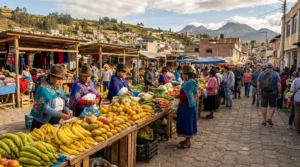
Market Tips
-
Eat where locals line up
-
Lunch menus (almuerzos) offer the best deal
-
Always seek permission when taking photographs
Galapagos note: There is great seafood, although lobster is only in season and highly regulated.
Health, Safety, and Altitude Awareness
Altitude
-
Quito: 9,350 ft (2,850 m)
-
Cuenca: 8,400 ft (2,560 m)
Local advice:
Consume a lot of liquids, do not drink initially, and make light walks.
Safety
Ecuador is safe for tourists with standard awareness. Major cities including Quito and Guayaquil have areas worth avoiding after dark — stay in well-reviewed central neighborhoods and use registered taxis or Uber at night.
The Galapagos islands are extremely safe. The main risks are wildlife-related — respect the 2-meter distance rule and follow your guide’s instructions at all times.
For health preparation, check CDC Ecuador travel health advice before departure.
Medical Care
-
Quality privately owned clinics in big cities
-
Inadequate amenities on the islands—travel insurance is necessary
Travelers should also review travel health advice for Ecuador, especially for altitude and island travel.
Galapagos-Specific Rules That Lots of Visitors Omit
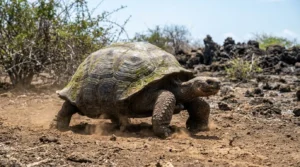
The Galapagos is one of the most protected ecosystems on earth. Rules exist specifically to keep it that way.
Key rules every visitor must follow:
- No touching wildlife — ever
- Minimum 2-meter distance from all animals
- No drones without a permit
- No food transport between islands
- Shoes inspected for seeds at each island
Breaking these rules results in fines or removal from the islands. Official rules at Galapagos National Park.
Smart Packing: Two Climates
Essentials
-
Lightweight rain jacket
-
Reef-safe sunscreen
-
Motion sickness tablets
-
Reusable water bottle
-
Comfortable walking shoes
What Not to Bring
-
Plastic bags (restricted)
-
Fresh food between islands
-
Bags with a lot of weight (domestic flight restrictions are considered)
When you prefer to travel slowly and immerse in the local culture, you may also use our Irish travel tips, particularly when travelling in smaller towns and learning local etiquette—again, these tips will work when following Ecuador and Galapagos local travel tips.
Budget vs Luxury: What Is Worth Paying For
| Spend More On | Save On |
|---|---|
| Wildlife tours | Accommodation |
| Guides | Meals |
| Galapagos flights | Intercity buses |
For US Students: Ecuador is one of the most affordable South American destinations for college travelers. A careful student budget of $40–60 per day covers mainland Ecuador comfortably including accommodation, food, and local transport. The Galapagos adds $150–200 per day minimum — plan this portion separately and save on mainland to offset the cost. Several US universities run semester programs in Quito that include organized Galapagos excursions at reduced student rates.
Insight into experience: A well-informed guide in the naturalist field is much more effective in enhancing wildlife interactions.
Travelers accustomed to fixed schedules like a Europe winter travel itinerary should expect more flexibility when traveling through Ecuador and the Galapagos.
The Best Tourist Traveler Blunders (And How to Be Better)
-
Galapagos overpacking
-
Ignoring altitude effects
-
Making all reservations months in advance (decreases flexibility)
-
Low estimation of travel times
-
Skipping travel insurance
Green / Responsible Travel Advice
-
Choose local guides
-
Refill water bottles
-
Respect photography rules
-
Sponsor community lodges
Sustainable travel is not a choice in Ecuador and the Galapagos—it is a given.
When followed correctly, these ecuador and galapagos local travel tips help travelers enjoy a smoother, safer, and more meaningful journey.
Ecuador and Galapagos Travel Trip Advice: FAQ
Is Ecuador safe for tourists?
Yes, with normal precautions. Tourist sites are properly observed.
Do we need a guide in the Galapagos?
Most visitor sites have guides, which are obligatory.
When is the best time to visit?
Year-round. Wildlife viewing is good all year.
Would I be able to sail around the Galapagos on my own?
Yes, however, there are areas that need tours.
Is the Galapagos expensive?
More costly than mainland Ecuador; however, with planning it is manageable.
How many days do I need?
Depending on mainland Ecuador, ideally 10–14 days.

Awamar Chheena is the founder of Travel Tips for Students. He writes practical guides to help students find travel deals, student discounts, and budget-friendly tips. His goal is to make travel more affordable for students around the world.