
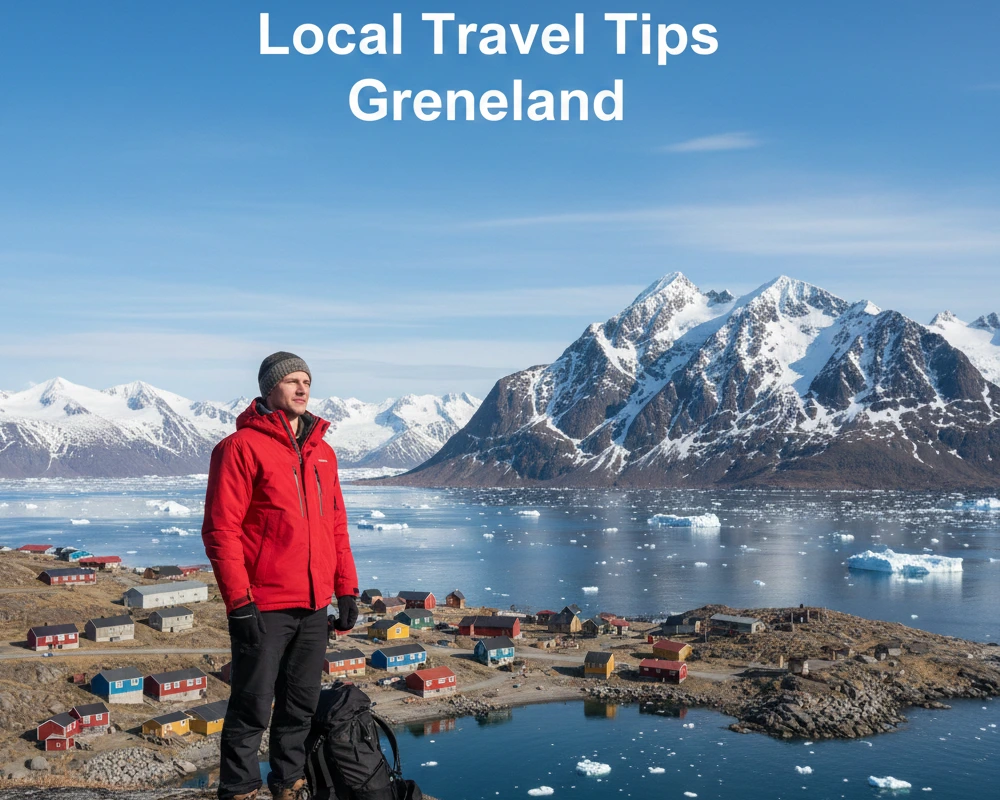
Quick Answer: Greenland works for students who want genuine Arctic wilderness without tourist infrastructure — but budget for $150-200/day minimum, since nearly everything is imported. US citizens can enter visa-free for up to 90 days (Greenland is NOT part of Schengen, despite being Danish territory — this matters if your trip also includes mainland Europe). No roads connect towns, so ferries and local flights replace what would normally be a bus or train system.
Greenland operates on a completely different set of rules from any other travel destination. No roads between cities. The world’s largest island with under 60,000 people. Towns so isolated that a weather change doesn’t just affect your schedule — it cancels it entirely.
These local travel tips cover how Greenland actually works for independent and first-time visitors — not the polished tourism version.
Why Greenland Is Not Like Anywhere Else
The normal rules of travel planning don’t apply here. No highways connecting cities. Infrastructure that exists to serve locals, not tourists. Weather that can shut down your entire day without warning. Daily life in Greenland moves around nature, fishing seasons, and daylight hours. Tourists who show up expecting things to run on a fixed schedule learn quickly that flexibility isn’t optional here, it’s survival. According to Visit Greenland, the isolated geography and limited infrastructure are exactly why preparation for this destination looks completely different from anywhere else. The tips that actually work here are the ones built around this reality.
Understanding Local Life in Greenland
Greenlanders — Kalaallit — live by a set of priorities that take some adjusting to if you’re coming from a fast-paced urban background. Community matters more than speed. Nature matters more than convenience. Practicality beats luxury every time. When weather changes plans, locals don’t stress about it — they just adapt. Visitors who fight that reality have harder trips than those who lean into it. Locals are warm but genuinely reserved — don’t mistake quietness for unfriendliness, it’s just how things are here and it’s completely normal. For culturally sensitive advice on traveling in similarly remote destinations, our Local Travel Tips Mongolia guide covers comparable ground.
Keeping these cultural realities in mind makes the cultural adjustment significantly smoother.
Best Time to Visit Greenland (Local Perspective)
| Season | Best For | Local Tip |
|---|---|---|
| Summer (Jun–Aug) | Hiking, whale watching, midnight sun | Most accessible season |
| Autumn (Sep–Oct) | Northern lights, fewer tourists | Weather changes quickly |
| Winter (Nov–Mar) | Dog sledding, aurora | Extreme cold |
| Spring (Apr–May) | Ice travel, photography | Transition season |
July is what locals recommend for the best balance of weather, access, and activities.
Getting Around Greenland
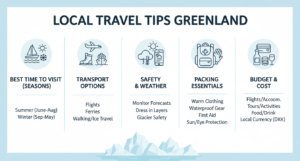
No roads connect the towns — and this single fact reshapes how planning for Greenland works entirely. Your options are local flights — fast but expensive — boats and ferries which are scenic and far more affordable, helicopters for reaching remote settlements, and walking once you’re inside a town. Ferries run by Arctic Umiaq Line are what many independent travelers use between destinations — affordable, beautiful, and honestly one of the better parts of a Greenland trip. The one local travel tip Greenland visitors consistently hear from experienced travelers — add buffer days to everything. Weather delays aren’t a possibility here, they’re a near certainty at some point.
Money, Costs and Budget Tips
Almost everything in Greenland is imported and you feel that in every price. Meals are expensive, accommodation is limited but reasonable quality, and transport eats the biggest chunk of any budget. The ways to manage this — ferries instead of flights wherever you can, guesthouses over hotels, local grocery shopping for most meals. Danish Krone is the currency, cards work in towns, but small remote settlements sometimes have no card facilities at all so carry cash as backup. For apps that help track travel spending and logistics, Best Travel Apps for Students has what you need.
Local Food and What You Need to Try
Greenlandic food comes from a culture built around survival and genuine respect for the land — suaasat which is a traditional soup, Arctic char, musk ox, and reindeer meat are the things worth seeking out. When locals offer food, accept it. That one small gesture matters more than you’d think in tight-knit communities where visitors are still relatively uncommon.
Cultural Etiquette and Social Norms
Time works loosely here — don’t expect punctuality from anyone including transport sometimes. Modesty is valued, loudness stands out badly. Photographing people without asking first is genuinely disrespectful in small communities where everyone is known by everyone. Silence between people is completely natural here — comfortable, not awkward. First-timers often misread the quiet as coldness and spend the whole trip confused by it. It isn’t coldness at all. For travel photography guidance that respects local culture, read our Travel Photography Tips Guide.
Safety, Survival and Weather Awareness
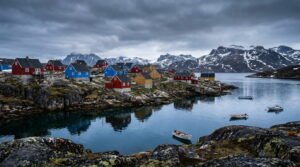
Towns are safe. Nature outside them is powerful and genuinely unforgiving if you’re unprepared. Never hike alone in remote areas — this isn’t overly cautious advice, it’s just practical. Check the Danish Meteorological Institute forecast every single morning because conditions near ice fjords can shift from fine to dangerous within minutes. When locals tell you something isn’t safe that day, believe them immediately and without argument. They know this environment in a way no visitor does.
Internet, SIM Cards and Connectivity
Towns have internet but slower than what most travelers are used to. Remote areas have nothing. Download offline maps before you arrive — treat this as a baseline requirement, not an optional extra. Assuming you’ll have connectivity when you need it in Greenland is the kind of assumption that causes real problems.
What to Pack for Greenland
Insulated waterproof jacket, thermal layers, windproof gloves, proper hiking boots, power bank. The rule locals will tell you — dress for wind, not just temperature. Wind chill here hits differently than anywhere else and visitors who pack for the thermometer reading alone consistently end up underdressed and uncomfortable.
Sustainable and Responsible Travel
Small communities, fragile environment, hunting traditions that have sustained people here for generations. Support local businesses, don’t disturb wildlife, reduce your plastic footprint, respect the hunting culture even when it’s unfamiliar. Greenland stays authentic because visitors who come here tend to treat it with more care than mass-tourist destinations — keep that going.
Common Tourist Mistakes in Greenland
Tight itineraries in a weather-dependent destination — genuinely the most common and most avoidable mistake. Ignoring weather warnings because the forecast looked fine yesterday. Expecting European-level amenities or shopping. Underestimating what everything actually costs. Every one of these mistakes is preventable with the right local travel tips Greenland visitors need before they arrive, not after.
Greenland vs Other Arctic Destinations
| Feature | Greenland | Iceland | Norway |
|---|---|---|---|
| Crowds | Very low | High | Moderate |
| Cost | High | High | High |
| Wilderness | Extreme | Moderate | Moderate |
| Culture | Inuit | Nordic | Nordic |
For travelers who want genuine Arctic wilderness and culture over tourist infrastructure, Greenland wins that comparison clearly. Solo travelers planning independent trips here should read the Solo Travel Tips 2026 Guide before booking anything.
Frequently Asked Questions
Is Greenland safe for solo travelers?
Yes in towns — outside of them, nature requires real preparation and caution.
Do I need a visa for Greenland?
Greenland is not part of the EU or Schengen Area, even though it’s Danish territory — a Schengen visa alone does not cover entry. US citizens can enter visa-free for stays up to 90 days. If your trip also includes mainland Europe, note that Greenland entry is assessed completely separately from your Schengen status
Is Greenland expensive for tourists?
Yes — almost everything is imported and prices reflect that. Budget travelers can manage by taking ferries instead of flights between towns, staying in guesthouses, and buying groceries locally for most meals. Expect to spend $150–200 per day minimum even on a careful budget.
Can I travel Greenland without tours?
Yes — independent travel is entirely possible in Greenland. However, local knowledge matters significantly more here than in most destinations. Connecting with locals, listening to weather advice, and using established ferry routes rather than trying to arrange everything independently keeps costs down and safety up.
What languages are spoken?
Greenlandic, Danish, and English.
Is Greenland suitable for students or budget travelers?
Yes — flexible scheduling, ferries, and hostels make it accessible if you plan carefully.

Awamar Chheena is the founder of Travel Tips for Students. He writes practical guides to help students find travel deals, student discounts, and budget-friendly tips. His goal is to make travel more affordable for students around the world.