
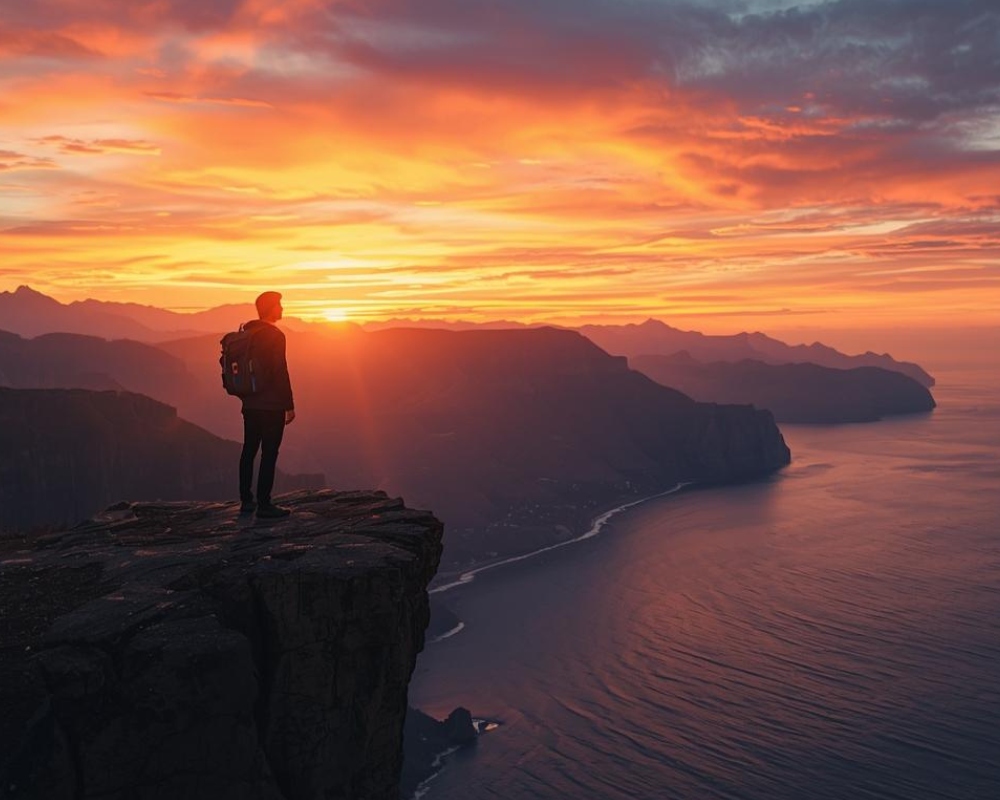
Solo travel is one of the coolest things a student or young adult can do — and I don’t mean that in a motivational poster way. I mean it in the sense that the person who comes back from a solo trip is genuinely different from the one who left. More decisive, sharper, better at handling the unexpected. With more students heading out alone in 2026 than ever before, having solid solo travel tips actually matters. This guide covers everything — planning, safety, budgeting, destinations, packing, apps, meeting people, and the mistakes that derail most first trips. Whether this is your first solo adventure or you’re looking to level up, this is the guide you need. For broader travel foundations, start with our Travel Tips Complete Guide.
Why Solo Travel Matters — More Than You Think
Here’s the thing nobody really tells you before your first solo trip — it’s not just travel. It’s every single decision falling on you, all day, every day. Where to sleep, what to eat, how to get somewhere, what to do when something goes completely wrong. No group to vote on it, no waiting for someone else to sort it out. Sounds like a lot. Becomes freeing way faster than most people expect.
Better Decision-Making Every day of solo travel is basically a brain workout with actual consequences. Which route is safe after dark? Is this hostel as good as the reviews claim? Bus or metro? This low-level constant problem solving sharpens your thinking in ways that coursework rarely touches. Students who solo travel consistently say they make faster, more confident decisions in class and work afterward — because they’ve actually practiced, not just studied how.
Emotional Resilience Something always goes wrong on a solo trip. Late transport, plans that fall apart, language confusion that spirals. Dealing with it alone — no one to vent to, no one to help share the stress — builds a specific kind of calmness that’s hard to develop any other way. By day three of your first trip you realize you’ve got more grit than you gave yourself credit for. That realization tends to follow you home.
Real Communication Skills When you’re solo and you need something, you figure out how to get it. You negotiate prices, explain yourself across language barriers, start conversations with complete strangers, read social cues in cultures that work differently from yours. Every one of those skills transfers directly into professional and personal life in ways that genuinely surprise most solo travelers when they get back.
Self-Awareness Extended time with your own thoughts — without other people’s opinions and preferences constantly in the mix — does something. Most people figure out things about their own values and priorities on solo trips that months of regular life never surfaced. It’s not mystical, it’s just what happens when you actually have space to think.
Confidence That Sticks Finding your way around an unfamiliar metro system, ordering food from a menu you can’t fully read, locating your accommodation after dark in a completely new city — these aren’t big dramatic moments. They’re small wins that stack up into genuine confidence. The kind that doesn’t disappear when you get home because you actually earned it.
For a structured beginner trip to start building on, check our Europe Winter Travel Itinerary.
The Real Benefits of Solo Travel
| Benefit | Why It Actually Matters |
|---|---|
| Full Independence | Your schedule, your choices, zero compromise |
| Confidence Building | Real problems solved entirely by you |
| Personal Clarity | Space to understand your own mind |
| Cultural Connection | Locals engage more easily with solo travelers |
| Skill Development | Budgeting, navigation, communication, planning |
| Flexibility | Change plans instantly without negotiation |
| Self-Reliance | Knowing you can handle whatever comes up |
Best Solo Travel Destinations for Beginners in 2026
Destination choice genuinely makes or breaks a first solo trip. Pick right and everything feels manageable. Pick wrong and you’re dealing with unnecessary stress that puts people off solo travel for years. Here’s what actually matters when choosing — safety record for solo travelers, English availability in tourist areas, public transport that isn’t a nightmare to figure out, budget-friendly options, and a general culture that’s welcoming to independent travelers.
Europe — Safe and Easy to Navigate
Portugal keeps coming up as the top pick for first-time solo travelers and the reasons are consistent — cheaper than most of Western Europe, public transport that makes sense, locals who are genuinely warm, and cities that are both walkable and safe. Lisbon and Porto both work well for beginners. For another European option with a completely different cultural atmosphere, our Irish Travel Tips guide is worth a read.
Finland is about as safe as it gets — organized, clean, calm, almost no petty crime in tourist areas. It costs more than Southern Europe but the stress-free environment is genuinely worth something on a first trip when you already have enough to deal with.
Austria has rail connections that make moving between cities easy even without speaking German. Vienna especially is well-signed, safe, and has solid English availability everywhere you’d need it.
Spain — good weather, a social culture where meeting people happens naturally, and cities like Barcelona, Madrid, and Seville that are all genuinely beginner-friendly for solo navigation.
Asia — Affordable and Culturally Rich
Japan is one of the safest countries on earth for solo travel, with public transport that clicks into place quickly once you get a feel for it. Tokyo, Kyoto, and Osaka are all excellent. Language barrier is real but signage is often bilingual and locals are consistently helpful even without shared language.
Thailand is one of the most popular first backpacking destinations for a reason — cheap, friendly, warm, with backpacker infrastructure that makes solo travel genuinely straightforward for complete beginners.
Malaysia combines English-friendliness, real cultural diversity, affordability, and safety in a way few countries actually pull off. Kuala Lumpur is a great first Asia solo destination — it’s where my first trip was and I’d point anyone there without hesitation.
Singapore is arguably the easiest solo destination in Asia — English literally everywhere, extremely safe, world-class transport, small enough to navigate without feeling overwhelmed.
Middle East — Modern and Secure
UAE — Dubai and Abu Dhabi are exceptionally safe for solo travelers, very well-organized, and offer a cultural experience that’s genuinely different from anywhere in Europe or Asia. More expensive but safety and infrastructure are hard to beat.
Oman is underrated and worth knowing about — peaceful, scenic, locals who are consistently welcoming to independent travelers in a way that doesn’t feel performative.
Americas
Canada is a great first solo destination for anyone nervous about going too far out — open culture, easy English communication, safe cities, straightforward navigation in Vancouver, Toronto, and Montreal.
Costa Rica for adventure-oriented solo travelers — nature-rich, well-developed tourist infrastructure, welcoming to independent travelers across a range of budgets.
Chile is one of the most organized South American destinations for solo travel — beautiful landscapes, reliable infrastructure, travel culture that works for beginners. For broader South America inspiration, check our Student Trips to South America guide. For something genuinely extraordinary and unlike anywhere else, our Ecuador and Galapagos Local Travel Tips is worth reading.
Before booking anywhere, check recent reviews on TripAdvisor — recent feedback tells you far more than an overall rating built up over years.
How to Plan a Solo Trip Step by Step
Step 1 — Choose the Right Destination Safety record, cost of living, language accessibility, weather during your travel window, visa requirements for your passport. First-time solo travelers should put safety and navigability ahead of novelty — there’s already plenty of novelty in doing it alone for the first time.
Step 2 — Book Accommodation Wisely Lock in at least the first three nights before you arrive — landing somewhere new without confirmed accommodation is stress you don’t need. Central locations that are walkable to key areas. Recent reviews over star ratings every time. Social hostels if meeting people matters to you, private guesthouse rooms if you need more quiet space.
Step 3 — Create a Flexible Itinerary Two to three significant activities per day maximum. Leave real gaps for things you discover on the ground — some of the best solo travel moments are completely unplanned ones. Hour-by-hour schedules create stress the moment something runs late, which it always does eventually.
Step 4 — Sort Transportation Research the public transport system before you land rather than figuring it out jet-lagged at the airport. Metro and buses are cheaper, often faster, and safer than taxis during busy periods. Official ride-hailing apps over unregistered street taxis — Uber, Grab, and Bolt all work across most major cities. Save your hotel address and the nearest metro station offline before landing.
Step 5 — Emergency Preparedness Embassy contacts saved for every destination. Hotel address saved offline. Two to three days of emergency cash kept separate from your main wallet. Travel insurance purchased before departure — genuinely necessary and not expensive relative to what it actually covers. Basic itinerary shared with one trusted person at home.
Step 6 — Documentation Visa requirements checked at least six to eight weeks before departure. Digital and physical copies of passport, insurance, and bookings stored separately from each other. If a guide situation goes sideways during your trip, our What to Do When You Hire the Wrong Tour Guide guide covers exactly how to handle it.
For additional planning support, visit Travel Tips for Students.
Smart Budgeting Strategies for Solo Travelers
Flights Compare on both Google Flights and Skyscanner — prices vary between them more than you’d expect. Mid-week flights consistently come out cheaper than weekend ones. Book six to eight weeks ahead. Being flexible with your dates by even one or two days can make a real difference. For flights to the USA specifically, our Cheap Student Flights to USA 2026 covers the platforms and strategies that actually work.
Accommodation Hostels with kitchens cut food costs meaningfully. Social hostels help you meet people. Locations near metro lines rather than tourist centers cost less with minimal practical difference to your daily experience. Read recent reviews before booking every time.
Food Eat where locals eat rather than where tourist menus are displayed outside. Local food stalls and family-run restaurants are almost always cheaper and better. Walk one or two streets back from any main tourist drag and prices drop immediately — this rule applies everywhere on earth without exception.
Transport Public transport over taxis wherever possible — the savings compound significantly over a ten-day trip. Metro day passes when you’re moving around a lot. Walk whenever distances are reasonable.
Track Everything Trail Wallet, TravelSpend, and Splitwise keep spending visible throughout the trip. Most solo travelers who go over budget do so because they stop paying attention mid-trip, not because any individual decision was dramatically wrong.
Packing Guide for Solo Travelers
Packing light is one of the most important solo travel skills and one of the most consistently ignored — you carry everything yourself through airports, on public transport, up hostel staircases. Every unnecessary item is weight you carry the entire trip.
Essential Documents and Tech Passport, visa documentation, travel insurance, confirmations — digital and physical copies stored separately. 20,000mAh power bank for long travel days. Universal travel adapter. Lightweight tripod for solo travel photography — genuinely essential if you want photos of yourself that aren’t arm-length selfies.
Clothing Versatile pieces that work across multiple outfits rather than outfit-specific items. Light layers for temperature changes. Quick-dry fabrics mean fewer items needed overall. Comfortable already broken-in walking shoes — new shoes on a solo trip cause blisters at exactly the wrong moments and nobody has time for that.
Safety Items Anti-theft bag or secure inner pouch for valuables. Luggage tracker — small, light, and genuinely useful if a bag goes missing. Waterproof pouch for documents near water. Basic first aid kit including personal medications. Photocopies of all key documents stored separately from originals.
The rule that matters — if you’re questioning whether to bring something, leave it. You can buy almost anything you forget almost anywhere in the world.
Solo Travel Safety Tips That Actually Work
Safety is honestly the thing that stops most people from trying solo travel in the first place. The reality — when you approach it with basic common sense, it’s genuinely fine. Here’s what actually works:
Trust Your Instincts If something feels off, leave. Don’t explain it, don’t justify it, just go. Your instincts are processing environmental signals faster than your conscious mind — they’re usually ahead of you for good reason.
Keep Valuables Hidden Anti-theft bags with hidden zippers, money belt under your clothes for passport and emergency cash, phone in a front pocket not a back one. Crowded tourist areas are where expensive cameras and electronics get noticed — keep them out of sight.
Be Smart With Location Sharing Post photos after you’ve left somewhere, not while you’re there. Keep your accommodation name off public posts. Share your general itinerary with one trusted person at home — that’s it, not your entire social feed.
Stay in Central Areas Especially your first night somewhere new when you’re most disoriented and jet-lagged. More people around generally means safer. Get a feel for the local geography before venturing into unfamiliar areas after dark.
Use Trusted Transport Official ride-hailing apps over random street taxis — you have a record of the journey, the driver is accountable, pricing is fixed. Uber, Grab, and Bolt cover most major cities globally and the safety difference is real.
Stay Connected Download Google Maps offline before every new city — before you need it, not when you’re already lost. Keep a safety app running. Sitata gives you real-time travel and health alerts wherever you’re headed — genuinely worth having. For official health guidance, check WHO Travel Health Advice. For air travel safety including private flights, our Private Air Travel Safety Tips guide covers what most travel resources skip entirely.
Cultural Etiquette for Solo Travelers
Getting this right protects you and makes every single interaction go better. Research dress codes before visiting religious sites — showing up wrong creates unnecessary awkward situations. Learn at least hello and thank you in the local language before you arrive — the difference in how people respond to you is immediate and noticeable. Tipping norms are all over the place between countries — know them before you sit down at a restaurant. Photography rules matter — in a lot of cultures, pointing a camera at someone without asking is genuinely offensive, not just rude.
For slow, culturally rich solo travel that feels meaningful rather than rushed, our Hygge Travel Experiences guide covers an approach worth reading. For remote cultural immersion that most solo travelers never attempt, our Local Travel Tips Mongolia shows what deep cultural solo travel actually looks like.
Health and Wellness on Solo Trips
Staying healthy matters more when you’re solo. if you get sick alone, you handle absolutely everything yourself with no backup. Stay hydrated consistently. this one gets ignored constantly and causes more rough travel days than anything else, especially in hot climates. Get required vaccinations at least six to eight weeks before departure, not the week before. Pack a basic medical kit, personal medications, rehydration sachets, basic pain relief. Travel insurance with medical coverage is completely non-negotiable — one hospital visit abroad without it can cost more than the entire trip. Sleep properly — running low on sleep while solo traveling turns every small difficulty into a significantly bigger one.
Solo Travel for Female Students — Specific Tips
Female solo travel is genuinely safe with the right destination choices and standard safety practices. A few things that make a specific difference — research the safety context for women at your destination before booking, because it varies significantly between places. Dress in line with local cultural norms, not to restrict yourself but because it reduces unwanted attention in places where that actually matters. Book your first night somewhere central and well-reviewed rather than optimizing purely for price. Trust your gut about people and situations more decisively than you might in other contexts — your comfort genuinely takes priority over being polite in ambiguous situations. Connect with other female solo travelers online before your trip — recent, destination-specific advice from people who were just there is worth more than any general travel guide.
Mental Health and Solo Travel
Solo trips are generally good for mental health but worth thinking through before you go. Loneliness shows up occasionally — usually in specific moments like eating alone your first evening somewhere new. For most solo travelers it passes within a day or two and stops being a thing entirely. Give yourself permission to have slower days — not every single day needs to be packed with activity, rest is actually part of the experience. Brief regular check-ins with people at home prevent isolation without disrupting the trip. If extended solitude is genuinely hard for you, build in more social hostel nights and group activities from the start rather than trying to push through it.
How to Meet People Solo Traveling
Loneliness is the myth that keeps most people from even trying solo travel. In practice, solo travelers connect with people more easily than group travelers — you’re more approachable, more flexible, and more genuinely motivated to start a conversation.
Social Hostels are the most reliable method by a significant margin. Common areas, shared meals, activities organized by the hostel — places with good social reputations consistently produce connections that outlast the trip itself. Book specifically based on social atmosphere in reviews, not just price.
Group Day Tours — a walking tour, cooking class, or day trip puts you immediately in a shared experience with people who are also traveling. Conversations start without any effort.
Apps and Events — Meetup and Bumble BFF both work for finding local events and people in the same city. Language exchange meetups and local festivals pull in travelers and locals who are genuinely open to connecting.
Just start a conversation — ask someone in your hostel where they’ve been or what they recommend. Solo travelers are almost universally open to it because everyone’s in the same situation.
Transportation and Navigation Tips
Metro over everything when it’s available — cheap, fast during rush hour, more reliable than taxis. Save your hotel address and nearest embassy on Google Maps offline before arriving in any new city. Avoid walking alone late at night in unfamiliar areas until you actually understand the local layout. Learn hello, thank you, help, and where is in the local language — these four phrases open doors that English alone sometimes doesn’t.
Essential Apps for Solo Travelers in 2026
| Category | Apps |
|---|---|
| Planning | TripIt, Wanderlog |
| Navigation | Google Maps, Maps.me |
| Safety | Life360, Sitata |
| Flights | Hopper, Google Flights |
| Language | Duolingo, Google Translate |
| Budget | Trail Wallet, TravelSpend |
| Transport | Rome2Rio, Moovit |
For complete reviews and recommendations across every category, our Best Travel Apps for Students 2026 guide covers everything worth downloading before a solo trip.
Photography Tips for Solo Travelers
A lightweight tripod is genuinely the most useful thing you can buy for solo travel photography — almost zero weight, almost zero cost, completely changes what shots are possible. Remote shutter or phone timer so you’re not constantly running back and forth. Early morning shooting for better light and fewer people in frame at popular spots. Cloud backup daily — losing a whole trip’s photos to a stolen or damaged phone is entirely preventable and more common than people think. For complete photography guidance, see our Travel Photography Tips Guide.
Common Mistakes Solo Travelers Make
Overpacking — Every extra item is weight you carry alone through every single transit point. Pack for the trip you’re actually taking.
Rigid Itineraries — Hour-by-hour planning leaves zero room for the unplanned moments that become the actual highlights. Build genuine flexibility in from the start.
Ignoring Cultural Norms — Dress codes, tipping, greeting customs — a small amount of research prevents most of the embarrassing or uncomfortable situations that come from getting this wrong. Our Travel Safety Tips Dominican Republic guide shows directly how cultural awareness affects both safety and experience quality.
Real-Time Location Sharing — Post after you’ve moved on, not while you’re still there.
No Emergency Cash — Cards get blocked, ATMs run out, card readers fail. Cash backup has saved more trips than people admit.
Unsafe Accommodation — Central, well-reviewed accommodation is worth the extra cost, especially when you’re new to solo travel.
Relying Only on Mobile Data — Download offline maps and save key information locally before every new destination. Signal disappears at the worst times.
Real-Life Example — My First Solo Trip
My first solo trip was Kuala Lumpur at 18. Overpacked, made a rigid schedule I couldn’t stick to, and spent the first evening in my hostel genuinely questioning what I’d done. Metro was confusing, food was unfamiliar, nobody I knew was within thousands of miles of me.
Day two I figured out the metro. Day three I was at local markets trying food I’d never seen before, having real conversations with people from Germany, Australia, and South Korea all staying in the same hostel. By the end of the week I genuinely didn’t want to leave.
Every solo trip after that was easier. Skills from the first one carry forward. Confidence stacks up. What felt overwhelming on day one of the first trip barely registers by day one of the third. That first difficult evening was the most important part of the whole experience.
Student Discounts Worth Using Before and During Solo Trips
Several brands offer verified student discounts genuinely worth using when preparing for solo travel. Check our guides on Birkenstock Student Discount for travel footwear savings, Aritzia Student Discount for travel clothing, and DaVinci Studio Student Discount for content creation tools if you’re documenting your trips. For entertainment during long transit days, the Crunchyroll Student Discount is worth knowing about. Building a travel blog? Check Visily Student Discount for design tools.
Frequently Asked Questions — Solo Travel Tips 2026
Is solo travel safe for beginners?
Yes — with appropriate destination choices, basic safety practices, and general awareness. Most experienced solo travelers say the actual safety concerns were much smaller than they expected before their first trip.
Do solo travelers get lonely?
Less often than most people think. Social hostels, group tours, apps, and the general openness of the solo traveler community mean most people connect with others quickly. Some solo travelers actively prefer the solitude — it’s a genuine preference, not a problem.
How much money do I need?
Southeast Asia budget solo travel works on $30-50 per day including accommodation and food. Europe runs $80-150 per day for a comfortable experience. Always keep two to three days of emergency cash completely separate from your main budget.
Is solo travel more expensive than group travel?
It can be — no shared accommodation and single supplements at some hotels. But smart choices around hostels, public transport, and local food keep it very affordable.
What’s the best first solo destination?
Portugal, Japan, Thailand, and Canada come up consistently across different budgets and travel styles. All four are safe, navigable, and have solid solo traveler infrastructure.
How do I handle emergencies alone?
Embassy contacts saved offline for every destination. Travel insurance with medical evacuation. Accommodation address and nearest hospital saved before you need them. Basic itinerary shared with someone at home who can help coordinate if something goes wrong.
Can introverts enjoy solo travel?
Often more than extroverts. Complete control over social interaction — engage when you want to, have genuine space when you don’t.
What about solo travel for female students?
Genuinely safe with appropriate destination choices and standard safety practices. Portugal, Japan, Iceland, New Zealand, and Canada consistently rank among the safest for female solo travelers.
What should I do if something goes wrong?
Stay calm. Contact your embassy if needed. Use your travel insurance. Ask your accommodation for local help. For specific guide-related issues, our What to Do When You Hire the Wrong Tour Guide guide covers exactly that situation.

Awamar Chheena is the founder of Travel Tips for Students. He writes practical guides to help students find travel deals, student discounts, and budget-friendly tips. His goal is to make travel more affordable for students around the world.